
Are Vacation Rental Properties in the Outer Banks Still Profitable in 2026?
One of the most common questions buyers ask us right now is: "Can I actually make money renting an Outer Banks property out?"
It's a fair question -- especially with mortgage rates where they are and so much noise in the broader real estate market. The short answer is yes, vacation rental properties in the Outer Banks can still be very profitable in 2026. But like any investment, the details matter -- and knowing what to look for before you buy makes all the difference.
Here's how to think through it.
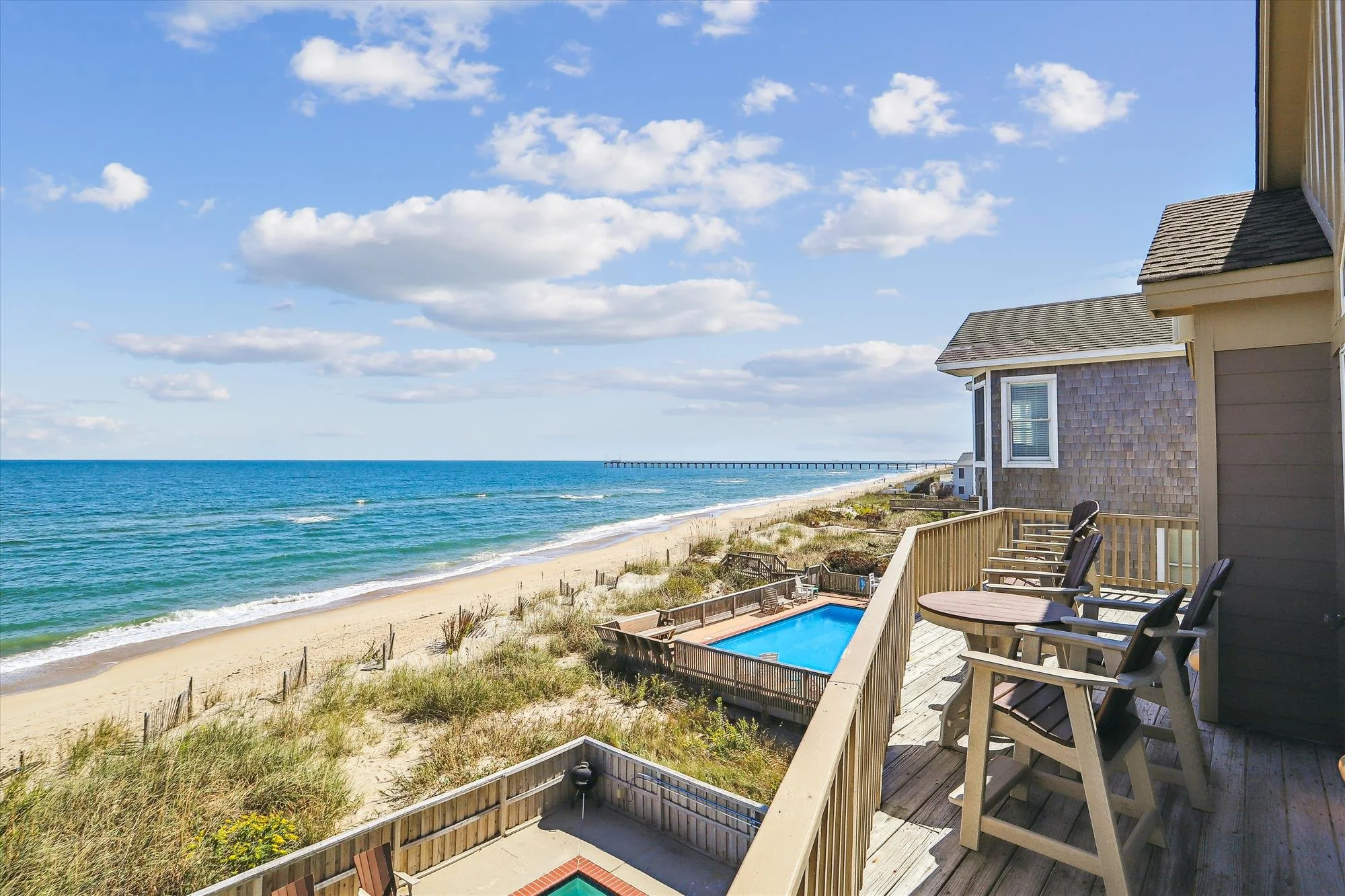
How Strong Is the OBX Rental Market Right Now?
The Outer Banks remains one of the most in-demand beach destinations on the East Coast. Families return year after year, and the barrier island geography means supply is naturally limited -- you can't just keep building forever.
A common way local agents measure rental performance is by looking at what percentage of a home's asking price it generates in annual rental income -- a metric tracked right in the local MLS system called the Estimated Rental Performance, or ERP. Historically, hitting 10% has been considered strong. That means a $1,000,000 home generating $100,000 in annual rental income.
That said, buyers should go in with realistic expectations. According to data from the 2024 OBX Tourism Summit, average daily rates for short-term rentals in Dare County were mostly flat compared to 2023, and overall occupancy dipped. The market has stabilized after the post-COVID surge -- which actually creates opportunity for buyers who do their homework and choose the right property.
What Costs Do Buyers Need to Factor In?
Rental income is real, but so are the expenses. Before you run the numbers, make sure you're accounting for all of these:
- Property management fees -- Most OBX management companies charge between 20-30% of gross rental income, covering bookings, guest communication, cleaning coordination, and general oversight.
- Three separate insurance policies -- Most OBX property owners carry a standard homeowner's policy, a separate wind and hail policy, and a flood policy. This is different from most mainland purchases and is one of the bigger surprises for first-time buyers.
- Flood insurance -- Costs vary significantly depending on which flood zone the property sits in. In federally subsidized areas, coverage can start around $300 per year for lower-risk zones, with higher-risk properties paying considerably more.
- Cleaning and maintenance -- High-turnover weeks mean frequent cleanings and more wear on the home. Budget for this as an ongoing cost, not a one-time expense.
- Property taxes -- Dare County and Currituck County have different tax rates. Make sure you're using the right number when modeling your returns.
- HOA fees -- Some communities with pools, beach access, and amenities carry annual dues. Worth checking before you fall in love with a property.
- Occupancy tax -- North Carolina requires short-term rental owners to collect and remit occupancy tax. Your property manager typically handles this, but factor it into your gross income calculations.
Once you account for all of this, your net income will look different from the gross number -- but a well-chosen property still pencils out for a lot of buyers.
What Makes One Rental Property More Profitable Than Another?
This is where local knowledge really matters. Two homes on the same street can perform very differently depending on a handful of factors.
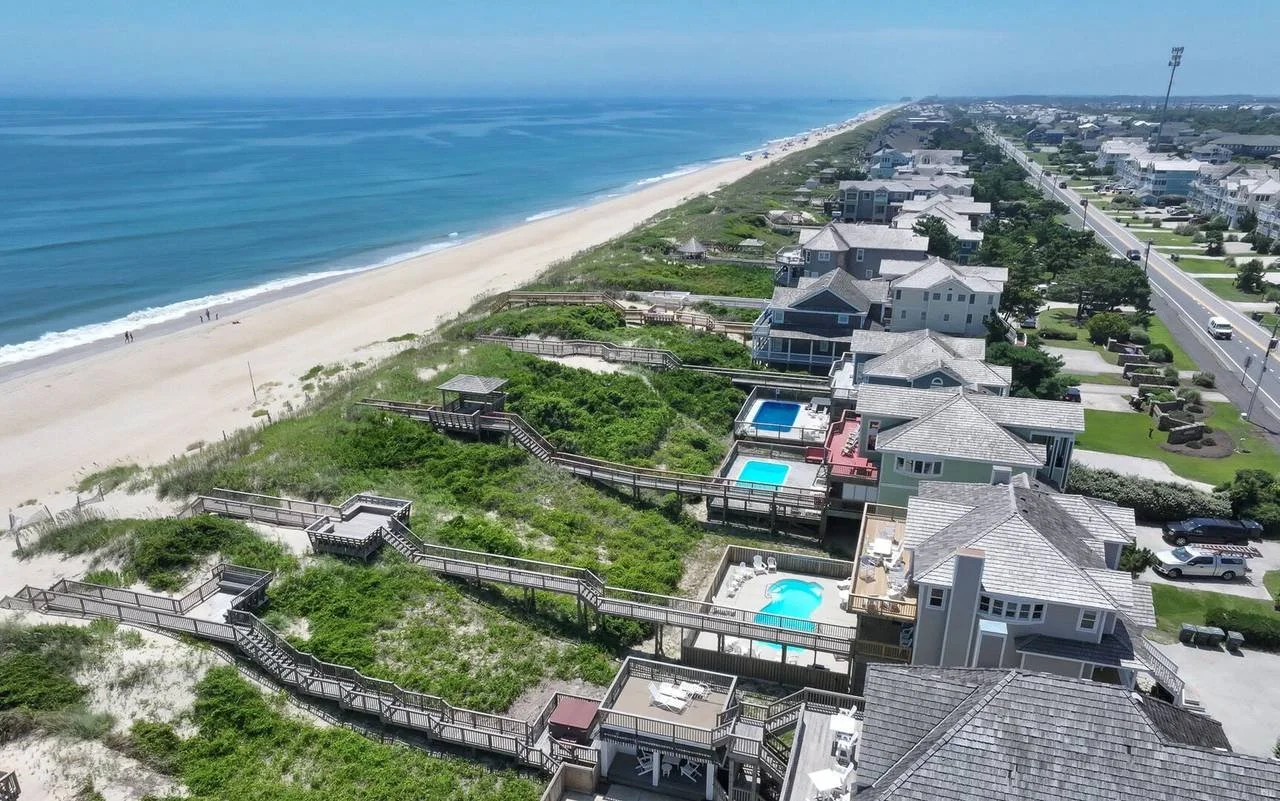
The biggest drivers of rental performance in the OBX are proximity to the ocean, access to shops and restaurants, neighborhood amenities, home size, bedroom count, and standout features like pools, hot tubs, and updated interiors.
- Oceanfront and semi-oceanfront properties command significantly higher nightly rates. Even being a few rows back from the beach can affect your pricing power.
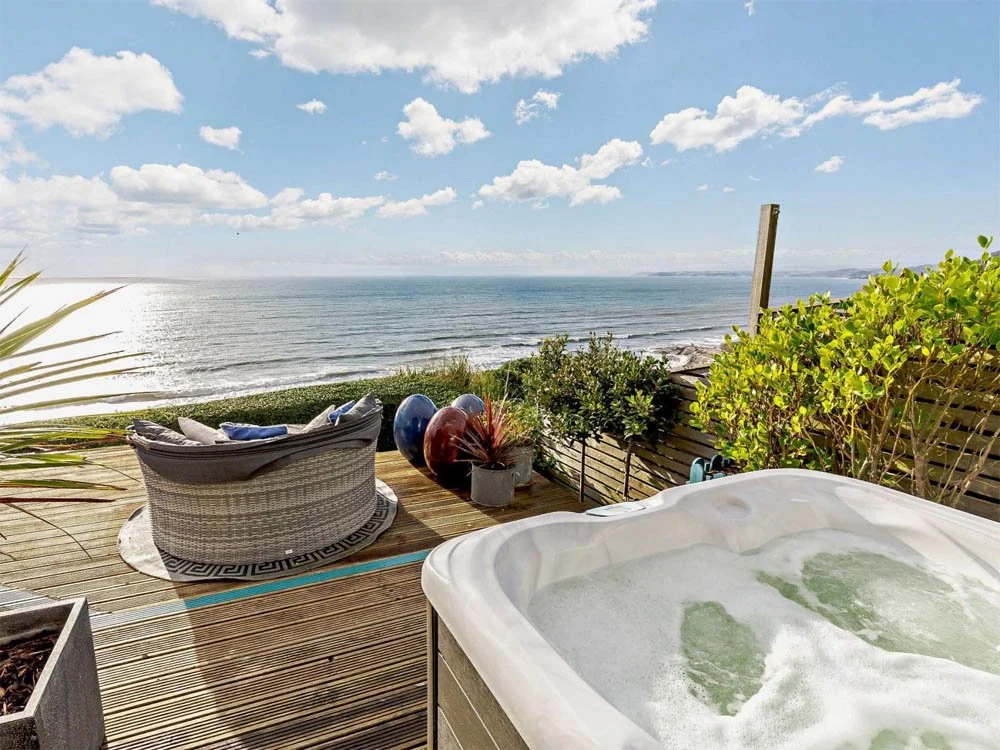
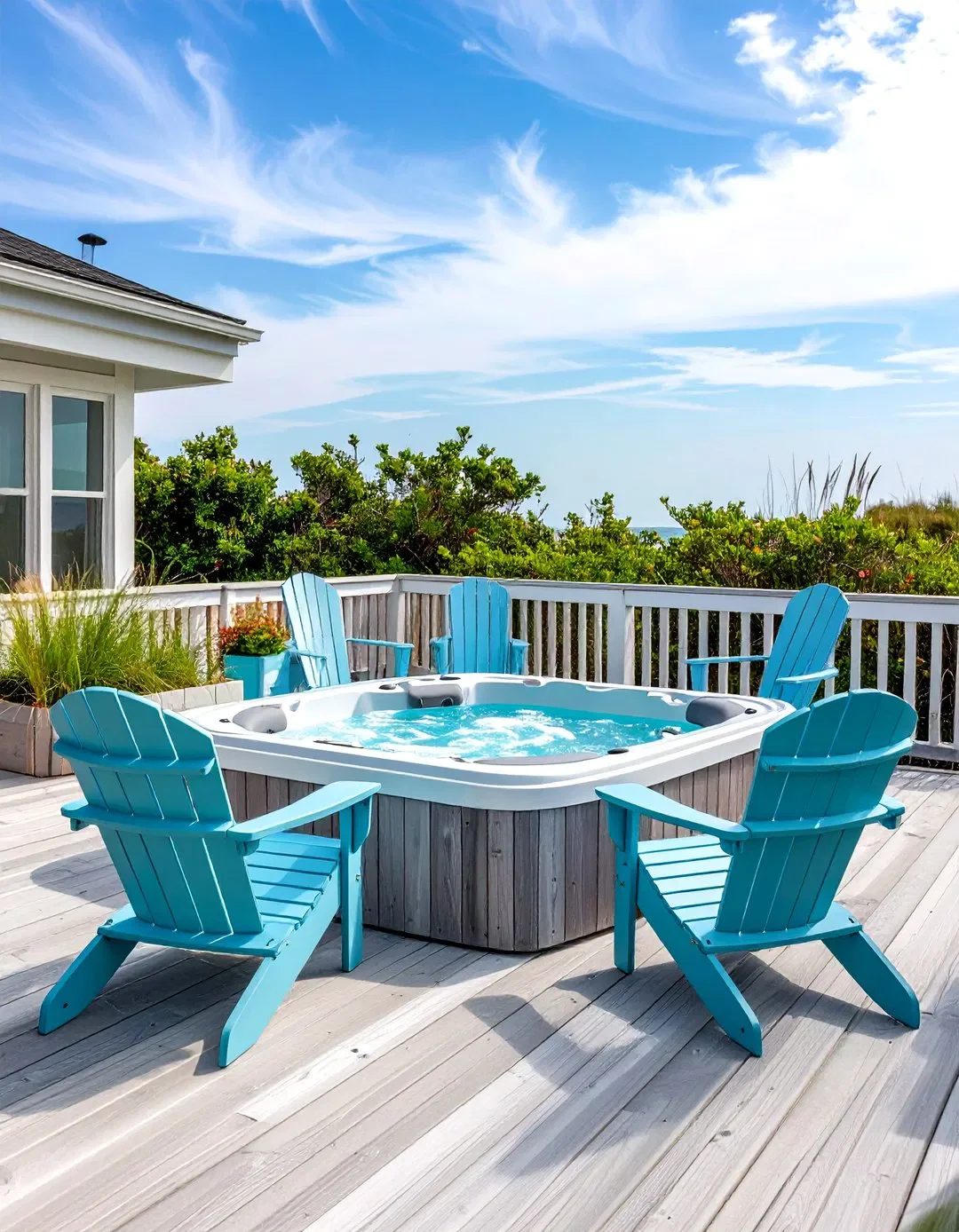
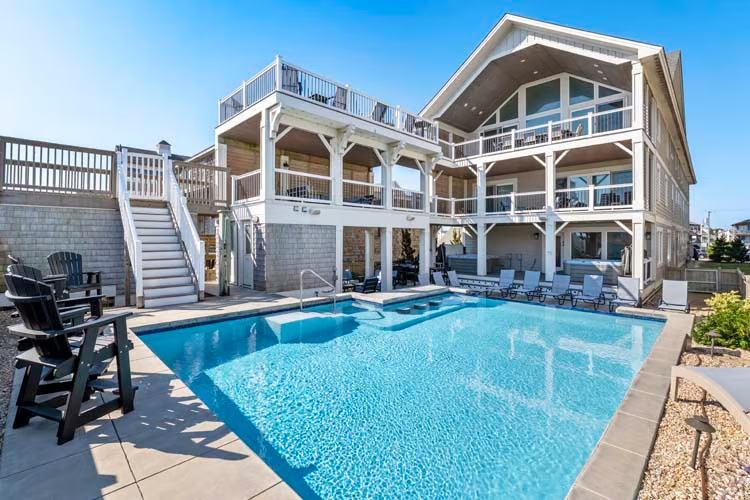
- Private pools are a top-tier amenity. Homes with pools and hot tubs consistently outperform comparable properties without them -- and they're among the most searched filters on every major booking platform.
- Bedroom count matters. Larger homes that accommodate multiple families or multi-generational groups tend to book more weeks annually.
- Interior quality counts. Guests compare listings carefully before booking. Homes with updated kitchens, modern bathrooms, and fresh decor book faster and at higher rates.
What About Seasonal Demand -- Is It Really Just the Summer?
Peak season runs June through August, and that's when the bulk of rental income is earned. Summer weeks often book 6-12 months in advance, especially for larger oceanfront homes.
But the shoulder seasons are growing. May and September are steady performers, and remote workers, retirees, and wedding parties are driving more off-peak bookings than in previous years. One thing most buyers don't think about upfront: the Outer Banks ranks among the top 10 wedding destinations on the East Coast, which brings a consistent shoulder-season boost.
That said, plan for slower winters. Most investors model around 15-22 weeks of bookings annually, depending on the property and how aggressively it's marketed and priced.
So Is It Worth It?
For the right buyer, absolutely. Prime OBX locations can generate seasonal revenue that exceeds annual expenses -- and owners also benefit from potential tax deductions on operating expenses, depreciation, and mortgage interest, plus the personal flexibility to block off dates for their own use.
The key is going in with clear expectations. This isn't a passive income machine that runs itself. It takes good management, a well-maintained property, and a smart pricing strategy.
Buyers who treat it like a business and base property decisions on rental data -- not just what they personally love about a home -- tend to see the strongest returns.
The good news? There are still properties on the Outer Banks that check all the boxes. Working with a local agent who understands the rental market can make all the difference in identifying them before someone else does.
Thinking About Buying an OBX Vacation Rental?
The Spencer Team works with buyers across the Outer Banks every day and knows the rental market inside and out. If you want a straight answer on what a specific property is likely to generate -- or which areas offer the best investment potential right now -- reach out. We're happy to walk you through the numbers.