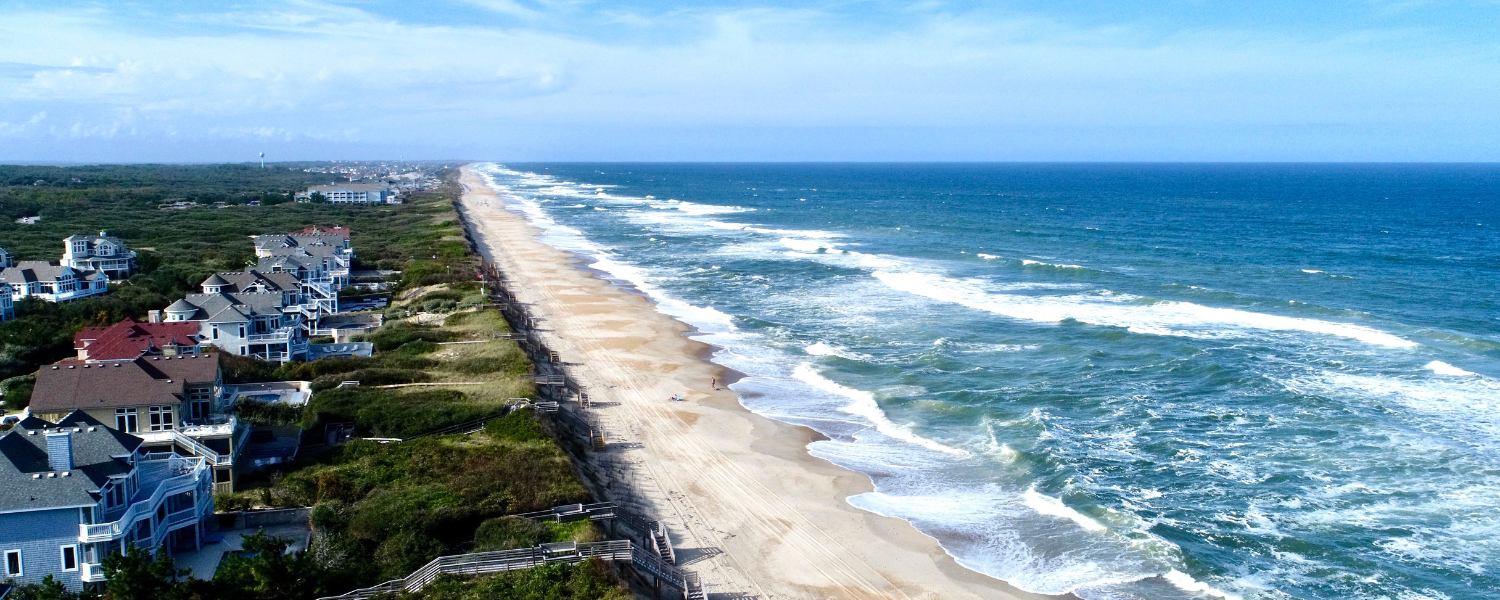
The Outer Banks is one of the most sought-after places to own property on the East Coast — and for good reason. But before you fall in love with the oceanfront views, it's important to understand what comes with owning a beach house beyond the mortgage payment. Many buyers are surprised by the full picture. Here's an honest breakdown of the costs most people don't see coming.
Why is insurance so much more expensive at the beach?
This is usually the biggest surprise for buyers. Coastal properties in North Carolina require several layers of insurance that an inland home would never need:
- Homeowner's Insurance — Standard coverage, but premiums are significantly higher for beach homes due to wind exposure and proximity to water. NC homeowners are seeing rate hikes of 7.5% in 2025 and another 7.5% in 2026, with coastal ZIP codes hitting even steeper increases.
- Wind & Hail Insurance — In the OBX beach territory, most standard insurers exclude windstorm from homeowners policies. You'll need a separate policy through the NC Insurance Underwriting Association (NCIUA) Beach Plan. Costs vary significantly based on home size, value, and location — always get a local coastal insurance quote before making an offer.
- Flood Insurance — Required if your home is in a FEMA flood zone (many OBX properties are). For most OBX homes in X and AE flood zones, annual premiums typically run $700–$1,200. Properties in higher-risk VE zones closer to the ocean can run $3,000–$5,000+. Elevation certificates can help lower your rate.
📌 Pro Tip: Before making an offer, always request quotes from an insurance agent who specializes in coastal NC properties. The total annual insurance package — homeowner's, wind/hail, and flood combined — can run $6,000–$15,000+ per year depending on your home's size, value, and flood zone.
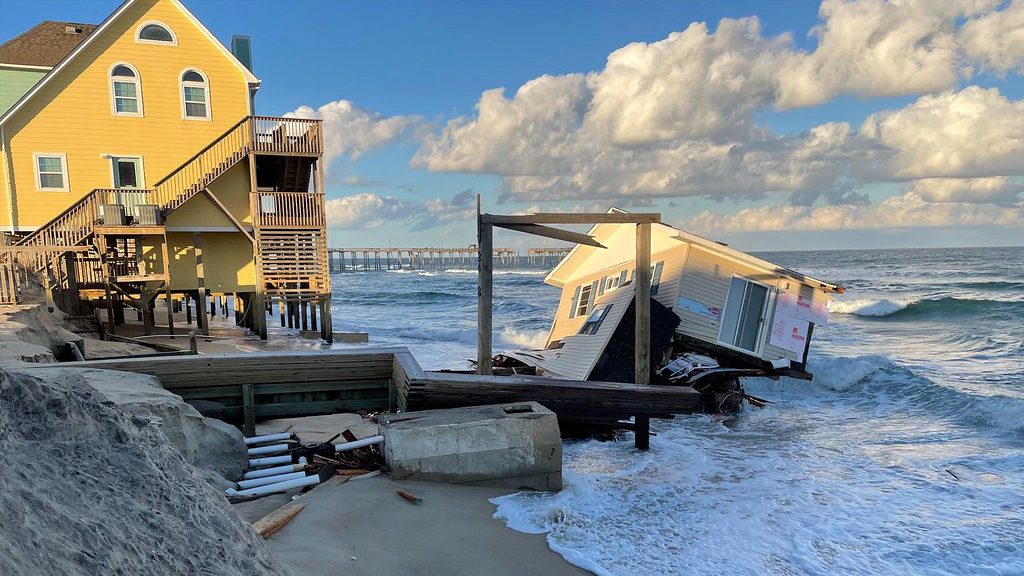
How much does beach weather actually cost in maintenance?
Salt air, humidity, and sun exposure are relentless on beach homes. The ocean environment accelerates wear on virtually every exterior surface — and that translates directly to a higher annual maintenance budget.
- Exterior Painting / Staining — Beach homes typically need repainting every 3–5 years vs. 7–10 for inland homes. Budget $5,000–$15,000 per cycle depending on home size.
- HVAC Systems — Salt air corrodes coils and components faster. Units often need replacement every 8–10 years on the beach vs. 15–20 inland.
- Decks & Railings — Wood decks require regular sealing and eventual replacement. Composite materials hold up better but cost more upfront.
- Appliances & Fixtures — Rust and corrosion affect anything exposed to ocean air. Stainless steel and marine-grade materials are worth the premium.
- Pest Control — Termites, moisture ants, and rodents are active year-round in coastal climates. Annual contracts are essentially required.
📌 Rule of Thumb: Budget 1.5%–2% of your home's value per year for maintenance — versus the typical 1% guideline for inland homes.

What are HOA fees and property management costs like on OBX?
If you're buying in a planned community (which covers a large portion of OBX inventory), HOA fees are part of the equation. These vary widely:
- HOA Dues — Can range from $200/year in a basic neighborhood to $3,000+/year in communities with pools, beach access, or tennis courts.
- Special Assessments — Communities may levy one-time charges for major repairs (road repaving, pool renovation, etc.). These are unpredictable and can be substantial.
- Vacation Rental Management — If you plan to rent the property, OBX property management fees typically range from 10–25% of gross rental revenue depending on the company and property. For a home generating $60,000/year, that's $6,000–$15,000 in management fees alone.
📌 Ask Before You Offer: Always request the HOA financials and meeting minutes before going under contract. They reveal upcoming assessments and the financial health of the association.
Are there taxes and fees unique to the Outer Banks I should know about?
Yes — and they catch buyers off guard more often than you'd think.
- Property Taxes — Both Dare and Currituck County have relatively low tax rates compared to NC averages. However, OBX property values have risen sharply — Dare County's 2025 revaluation showed a 67% increase in the overall tax base, with a median home value now around $599,000. On higher-value oceanfront or near-ocean homes, annual tax bills can still be significant. Always confirm the current assessed value and applicable rate with your agent before closing.
- Occupancy Tax — If you rent your home short-term, you're required to collect and remit state and county occupancy taxes. Management companies typically handle this — but if you self-manage, it becomes your responsibility.
- Septic System Maintenance — Many OBX properties are on septic, not municipal sewer. Routine pumping ($300–$500 every few years) plus potential repairs or full replacement ($8,000–$25,000) need to be factored in.
- Well Water Systems — Some communities use private wells, which require testing, treatment systems, and occasional repairs.
Can rental income actually cover these costs?
It absolutely can — but the math needs to be realistic, not optimistic. Many buyers come in with rosy projections that don't account for the full cost picture.
A well-positioned OBX vacation rental can generate anywhere from $30,000 to $200,000+ annually, depending on size, location, amenities, and occupancy. But gross revenue is only part of the story.
- Management fees (10–25% on OBX)
- Annual insurance (homeowner's + wind/hail + flood)
- Maintenance & repairs (1.5–2% of value per year)
- Property taxes
- HOA dues
- Mortgage payment (if financed)
📌 Bottom Line: Ask any potential rental company for comparable properties and their actual net owner statements — not just gross projections. That's the number that really matters.
So… is it still worth it?
For the right buyer, absolutely. The Outer Banks is one of the most beautiful and consistently in-demand coastal markets in the eastern United States. Properties here tend to hold their value, generate meaningful rental income, and provide a lifestyle that's genuinely hard to put a price on.
The key is going in with eyes wide open. Buyers who understand the full cost picture make better decisions, negotiate smarter, and enjoy their property more — because there are no surprises down the road.
Working with an experienced local team means you get the real numbers, not just the ones that look good on paper.
Ready to Run the Real Numbers?
The Spencer Team has helped hundreds of buyers navigate the true cost of ownership on the Outer Banks. Whether you're just starting to explore or ready to make a move, we'll give you an honest picture — not just a sales pitch.
Call us at 252-261-7881 or reach out online. We're here to help you find the right property at the right price, with no surprises.
Talk to an Agent →