Outer Banks Vacation Rental Rules, Permits & Restrictions
Everything you need to know before you rent your OBX property in 2026 — permits, taxes, town-by-town rules, and what to watch out for.
The Outer Banks is one of the most established vacation rental markets in the entire country. Thousands of properties rent every summer — and for good reason. The income can be significant. But before you list your home on Airbnb or VRBO, or before you buy a property with the intention of renting it, there are rules you need to understand.
The good news? North Carolina is one of the more investor-friendly states for short-term rentals. The state actively protects property owners' right to rent. But the details — taxes, permits, occupancy limits, noise rules — vary town by town, and getting them wrong can cost you.
This guide breaks it all down clearly, so you know exactly what you're dealing with before you put out the welcome mat.
Important: Local regulations can change. This guide reflects the best available information as of May 2026. Always verify current requirements with your local town office or a licensed OBX real estate professional before renting.
What Every OBX Rental Owner Needs to Know
NC Vacation Rental Act
North Carolina's Vacation Rental Act (Chapter 42A) governs all residential vacation rentals statewide. It covers tenant rights, owner obligations, and safety standards — and it applies to every OBX property, regardless of town.
No Single Statewide License
North Carolina does not have one universal STR license. Each town and county sets its own rules — some require a permit, some require registration, some only require tax registration. Requirements depend entirely on where your property sits.
Owners Are Protected
A proposed state bill (SB 291) would further limit how much local governments can restrict STRs. North Carolina has historically sided with property owners' right to rent — a meaningful advantage for OBX investors.
HOA Rules Can Override All of This
Even if the town allows short-term rentals, your HOA or subdivision covenants may not. Always check HOA docs before buying a property with rental income in mind — this is a common and costly mistake.
Vacation Rental Rules by OBX Location
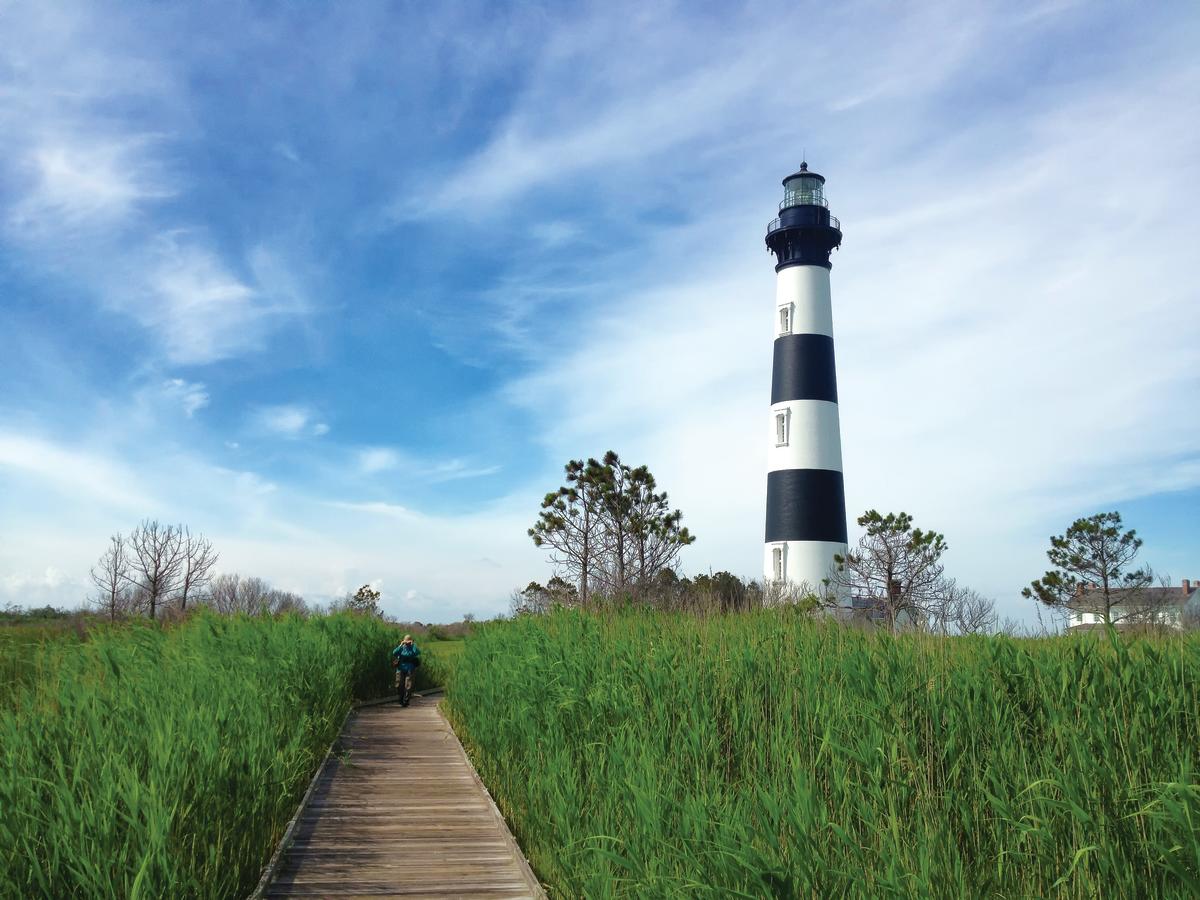
- Annual STR registration required — $25 fee (verify current status with town)
- Broker exemption: properties managed by a licensed NC real estate broker are exempt from town registration
- Short-term rentals permitted in every zoning district — no density caps
- No cap on number of rental nights per year
- NC Vacation Rental Act acknowledgment required at registration
- Noise ordinances and parking rules enforced — especially peak season
- Renting more than 2 bedrooms in owner-occupied home may require a B&B conditional use permit
- 15-day rule: under 15 rental days/year = exempt from Dare County occupancy tax (state sales tax still applies)
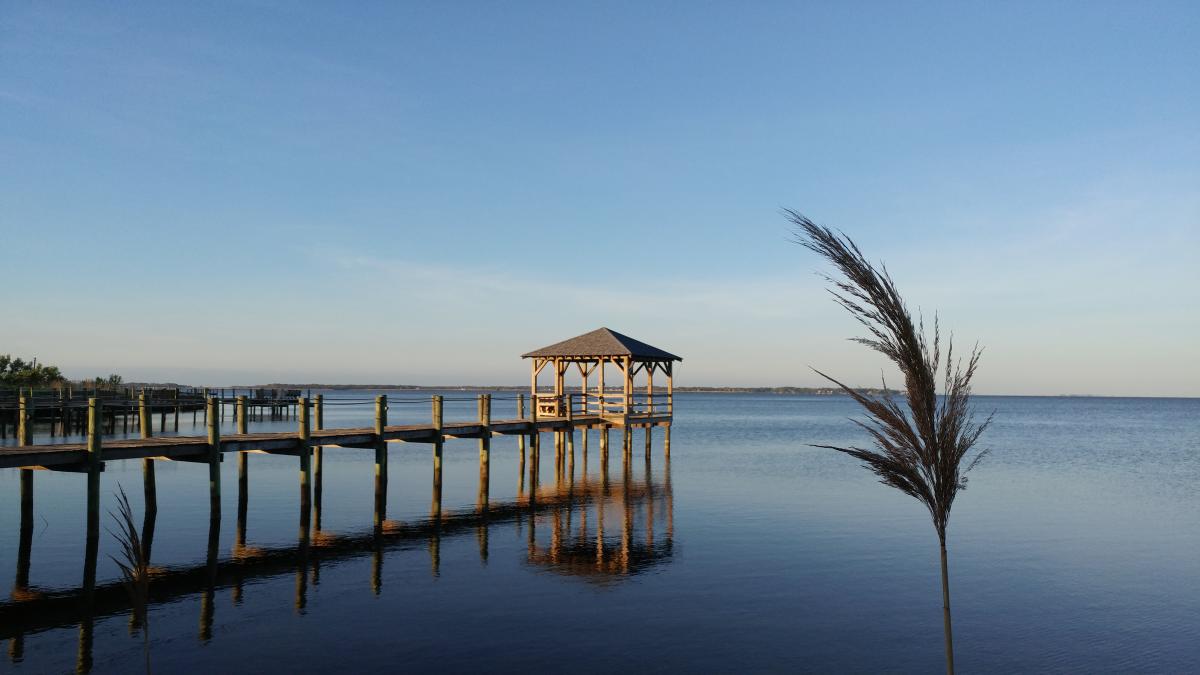
- Vacation rental permit required for all properties rented under 30 days
- Application through KDH Planning & Inspections Dept — (252) 449-5318
- Guests must be registered with the town
- Designated parking required for rental guests
- Noise ordinances strictly enforced — especially peak season
- Occupancy limits apply — typically 2 persons per bedroom
- Relatively business-friendly compared to other coastal towns
- 2025-2026 fee schedule available on kdhnc.com
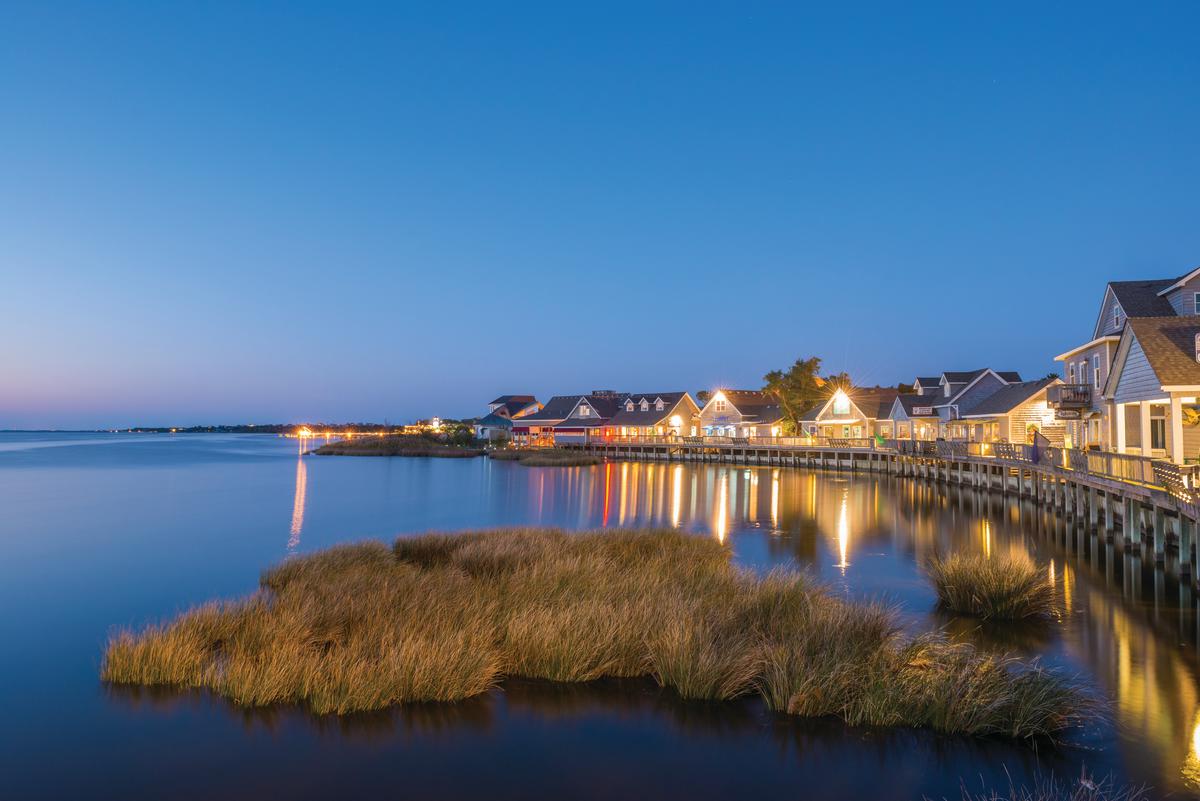
- STRs are widely operated throughout Duck
- Town emphasizes quiet, residential character — noise rules actively enforced
- Many Duck communities are HOA-governed — covenants vary significantly
- Dare County occupancy tax (6%) applies to all rentals
- Septic-based occupancy limits common in older neighborhoods
- No town-specific STR ban — but community-level restrictions are common
- Verify HOA docs carefully before purchasing for rental income
- State sales tax registration required via NC DOR
- Business tax registration required with Currituck County for occupancy tax collection
- No STR-specific permit required in unincorporated Currituck County (including Carova) per current state law interpretation
- 6% Currituck County occupancy tax — due by the 20th of each month
- NC Sales and Use Tax Certificate required (Form NC-BR via NC DOR)
- Zoning laws may restrict rentals in some residential areas — verify before buying
- HOA covenants vary widely — especially in gated communities
- 4WD beach parking permits: 300 issued weekly, 2 per rental property
- Always confirm current requirements with Currituck County — rules are actively evolving
The OBX Vacation Rental Tax Breakdown
As an OBX rental owner, you're responsible for collecting and remitting taxes — even if platforms like Airbnb or VRBO handle some of it for you. Here's how the layers stack up.
Combined rate for most OBX properties: approximately 12.75%. Dare County distributes occupancy tax revenue to municipalities and funds emergency services, beach nourishment, and tourism promotion. Important thresholds: properties rented fewer than 15 days per year are exempt from Dare County occupancy tax (but state sales tax still applies). Rentals of 90+ continuous days to the same tenant fall outside the NC Vacation Rental Act's definition of a vacation rental — consult a tax professional for the applicable tax treatment on longer stays.
OBX Vacation Rental FAQ
It depends on your town. Kill Devil Hills requires a vacation rental permit through their Planning & Inspections Department. Nags Head requires annual STR registration (with a broker exemption — if a licensed NC real estate broker manages your property, you are exempt from town registration). In unincorporated Currituck County (Corolla, Carova), there is currently no STR-specific permit requirement under state law — but business tax registration with the county for occupancy tax collection is mandatory. The bottom line: some form of registration or compliance step is required everywhere in OBX before you list.
This is one of the most common surprises for OBX buyers — and it can be a costly one. If your HOA covenants prohibit or restrict short-term rentals, those restrictions are enforceable regardless of what the town allows. Before buying any OBX property with rental income in mind, always review the full HOA documents, CC&Rs, and any recent amendments. This is something we help our buyers navigate every single transaction.
Partially. Airbnb and VRBO collect and remit some taxes in North Carolina — including state sales tax in many cases. However, you as the property owner are ultimately responsible for ensuring all tax obligations are fulfilled. Dare County and Currituck County occupancy taxes may still need to be handled directly depending on how your listing is set up. Register with both the NC Department of Revenue and your county tax office to stay fully compliant.
Occupancy limits in OBX are typically tied to the number of bedrooms and the property's septic capacity — not just a flat number. Most towns use a standard of 2 persons per bedroom as a guideline. Septic-based limits are particularly common in older neighborhoods and can be stricter. Exceeding occupancy limits is a common cause of noise complaints and permit violations — make sure your listing accurately reflects the allowable guest count.
North Carolina state law is generally protective of property owners' right to rent. The state has historically resisted outright bans on STRs, and proposed legislation like SB 291 would further limit how much local governments can restrict them. That said, zoning laws can still affect where STRs are permitted within a town. The OBX market overall remains one of the most STR-friendly coastal markets in the country.
Under North Carolina's Vacation Rental Act (Chapter 42A), a "vacation rental" is defined as a rental of fewer than 90 days to someone who has a permanent residence elsewhere. Stays of 90 or more continuous days to the same tenant fall outside that definition and are generally treated as long-term rentals. This affects how occupancy tax applies — the 15-day exemption in Dare County is a separate, documented rule for properties rented fewer than 15 days per year total. If you're moving into longer-stay territory, consult a CPA or attorney familiar with NC rental tax law for the exact treatment.
In this order: (1) Verify the property's zoning and whether STRs are permitted at that specific address. (2) Pull the full HOA documents and look for any rental restrictions or minimum stay requirements. (3) Check septic capacity and occupancy limits. (4) Understand the town's specific registration or permit requirements. (5) Run the numbers with realistic occupancy projections — not just peak season. We help buyers work through every one of these steps before they commit.
OBX Rental Compliance Checklist
Run through these before you accept your first booking.
- Obtain required town permit or STR registration
- Register with NC Dept of Revenue for sales tax
- Register with Dare or Currituck County for occupancy tax
- Review HOA covenants for rental restrictions
- Confirm septic-based occupancy limit
- Install smoke and CO detectors per NC code
- Provide guests designated parking spaces
- Include NC Vacation Rental Act disclosure in lease
- Understand local noise ordinance hours
- Confirm flood insurance coverage is current
- Review wind/storm insurance policy
- Set accurate guest count in listing (no overloading)
The most common mistake we see OBX buyers make is falling in love with a property, running the rental income projections, and then discovering post-closing that the HOA restricts short-term rentals. It's heartbreaking and completely avoidable. If rental income is part of your investment thesis, make it a due diligence priority from day one — not an afterthought. We know the communities, the covenants, and the regulations inside and out.
Have Questions About Your Specific Property?
Every OBX property is different. Let's talk through your situation and make sure you're set up right from the start.
Or visit thespencerteamobx.com